Theologically, I am complex. I am also thoroughly humanist, in that I believe in the inherent goodness of people, and that the only way to make the world a better place is through human action. With a deep belief that we cannot know if there is, or adequately describe if there is, a sense of the divine, I claim agnosticism. I also have a tendency towards process thought (everything is made of the same ‘stuff’ and deeply interconnected, lured toward expansion and growth) which makes metaphysics influential in my belief system as well.
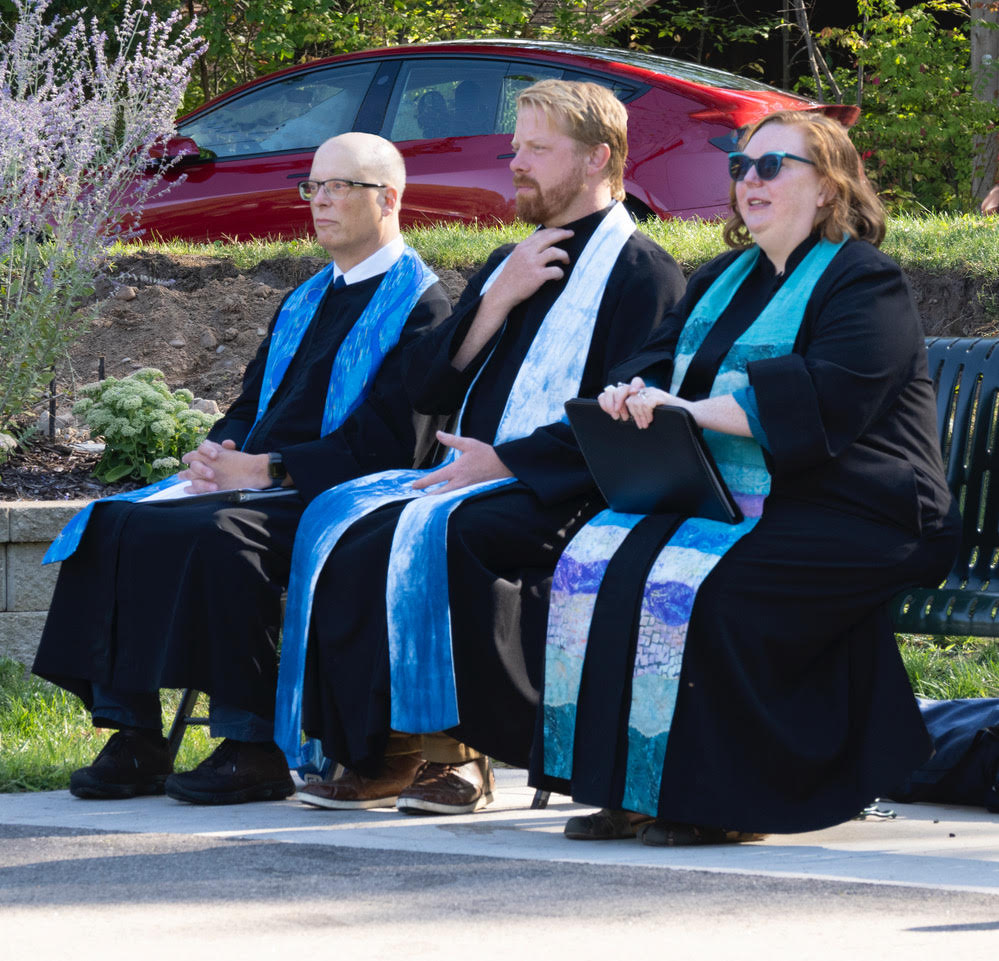
My complex relationship with theology, my lack of attachment to any particular religious language, and my practice of honoring the experiences of mystery and wonder in our lives, makes room for the religious plurality that is present in most Unitarian Universalist Congregations.
I truly heard my call to ministry when I realized that becoming a minister meant that I could spend my life supporting, struggling and growing with people dedicated to making the world a better place. I believe that relationship in community is how we connect to something greater than ourselves, and in so doing, improve ourselves. Healthy communities are both supportive and challenging. They can lift our spirits in hard times and celebrate with us in our successes. They also can show us our growing edges both by seeing our potential, and by pushing our buttons.
Korean Zen Master Seung Sahn compared being in community to washing potatoes. “In America, you tend to wash potatoes one by one. In Korea, all the potatoes are put into a pot, and a stick stirs the pot. The potatoes rubbing up against each other make each other clean.” As we rub together in community, the dirt of the world comes off, our rough edges wear down, and we find ourselves prepared to take on the world once again.
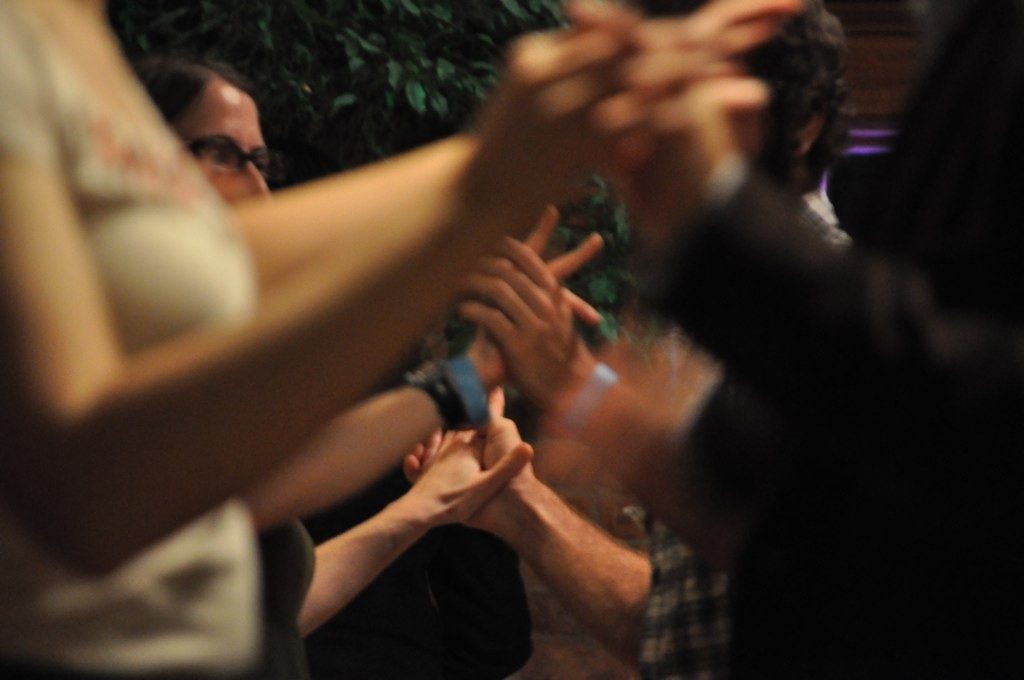
The ways that our Unitarian Universalist communities can transform lives, sometimes feels magical to me. We move together through a hard and sometimes cold world, but together we make connections and grow so that we can go out and change the world.
Pastoral Care: I have a desire to be with people when they are in grief and in joy. The extremes of human feelings are a place I feel right at home. My philosophy for pastoral care is simple: meet people where they’re at. I can be somber with those who are struggling with grief, and I can bring humor to those who need a little lightness. I am practiced at leading and supporting a team of lay leaders who offer their peers pastoral care, and I find this a vital ministry for a healthy congregation.
Social Justice: My ministry will reflect Anti-Racism, Anti-oppression, and Multiculturalism by challenging assumptions about racial diversity, celebrating cultural diversity — but not misappropriating culture, and pointing out the ways we live out White Supremacy Culture while encouraging ongoing education both in myself and in my congregation. As I prefer not to be a public face of a congregation, I see my role in activism as a supporting one. I will give spiritual guidance and pastoral care to those who take the front line. I will feed those in need and stand with others on the street when a bigger presence will make a difference. I will be a passionate advocate for justice within our congregations, and be part of the cheering section for those who take activism as their role. I will keep the home fires burning, as a haven for those who need to rest on this journey.