Adult Education
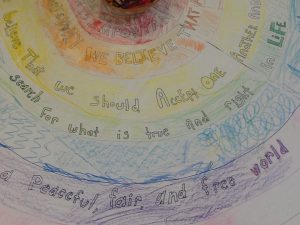
Be it training leaders to be Worship Associates, Greeters, or Youth Group leaders, or teaching a series of classes on subjects like Unitarian Universalist history, spiritual practices, or artistic expression, Life Long Learning is a vital part of my ministry.
One of the reasons that people come to the church is grow spiritually and intellectually, and I enjoy facilitating that growth and learning in a variety of ways to meet the learning styles and interests of a congregation.
“I have seen Sara teach an adult education course, lead a New UU session and facilitate a worship/discussion with our campus ministry group. At each of these Sara showed great competency, knowledge of the subject area and comfort in leading groups. She uses personal stories in ways that open up possibilities and ideas for others and make the material accessible. … She was open to the ideas and critical thinking of others and this openness only improved the experience of those present.” Rev. Kelly J. Crocker
Children and Youth Education
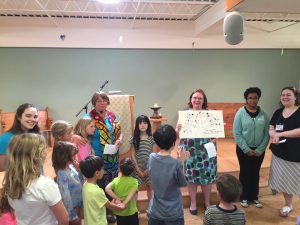
I believe that all worship can be multigenerational. Our congregations are places where our children are given the opportunity to take leadership, to take safe risks, and to be a part of a community of people. Worship is one place that this can take place.
Children and youth need to feel supported and safe in our congregations, and part of that is treating them with respect. We respect their needs when we offer age appropriate, engaging and integrated religious education opportunities, as well as ways to connect within the larger community. We can be the foundation for an ethical, justice oriented, and adventurous life for our children.
There are many ways that we can show our young people that they are a valuable part of our community: asking young families to volunteer together to light our chalice, encouraging young teenagers to usher or help with hospitality independently of their parents, offering older teens opportunities to be co-teachers in our younger kids’ classrooms, or to take up positions of leadership within the congregation. What we should not do, is use youth as free labor, or as tokens of multi-generational engagement.